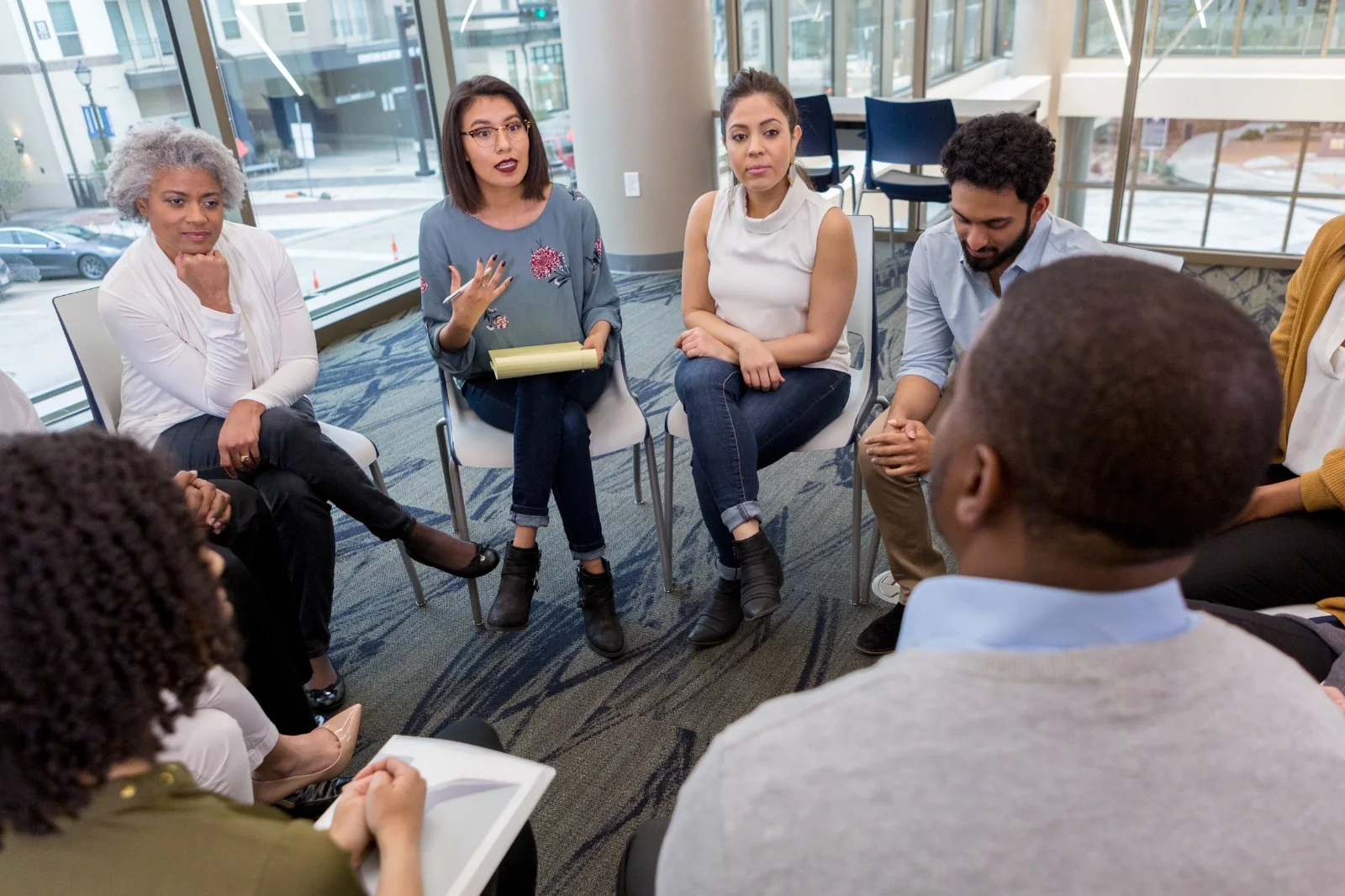

Awareness, with curiosity
Notice sensations and protective responses with curiosity; there is no need to force change.

WELCOME TO SOMATIC EXPERIENCING NIGERIA
Somatic Experiencing® (SE™) is a body-oriented approach to stress and trauma. It explores how the nervous system responds and how bodily sensations can inform the work.
How can we understand the body's response to stress and trauma?
Developed by Dr. Peter A. Levine, SE brings attention to bodily sensations and protective responses, alongside a person's experience.
A practitioner guides the work gradually, supporting awareness, manageable pacing and self-regulation.
Get to know Somatic Experiencing
Room to
breathe.
UNDERSTANDING THE APPROACH
SE understands trauma responses through nervous-system physiology. The approach may track protective responses such as fight, flight and freeze, together with the sensations that accompany them.
Practitioners work in small steps, supporting clients to notice bodily responses and stay with manageable sensations. Pacing, personal choice and scope of practice matter.
Notice sensations and protective responses with curiosity; there is no need to force change.
Move gradually, focusing on what feels manageable and respecting choice.
Identify supportive people, places and experiences that can help you stay present.
EXPLORE YOUR NEXT STEP
Introductory sessions and professional training serve different audiences. Ask us about Nigerian opportunities and their eligibility requirements.
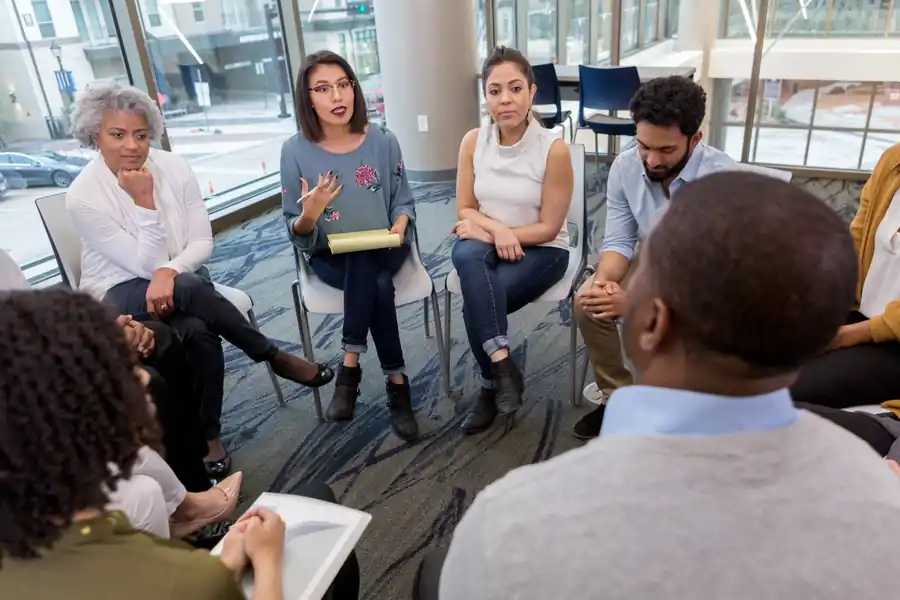
Explore sensation, nervous-system responses and the role of supportive resources in Somatic Experiencing.
Start with the essentials
The brochure describes Beginning, Intermediate and Advanced levels. Training combines theory, live demonstrations, guided practice, case studies and suggested reading. Ask us about current Nigerian cohort details and eligibility.
Enquire about training
Register your interest in introductory sessions and community conversations about body awareness, stress and resilience.
Explore workshopsPROFESSIONAL TRAINING
The brochure outlines a three-level professional training pathway with theory, demonstrations and guided practice.
Three four-day modules, described in the brochure as virtual and spaced two to four months apart.
Three four-day modules, described in the brochure as virtual and spaced two to four months apart.
Two six-day live modules, described in the brochure as spaced four to six months apart.
The 2027–2029 Nigeria cohort has published module dates and delivery formats. Contact the organizer for fees, eligibility and enrolment details.
Check SE International’s global organizer directorySKILLS THE PROGRAMME DEVELOPS
WHO THE BROCHURE NAMES
Entry requirements vary by level and cohort; check with the organizer before applying.
2027–2029 COHORT · ABUJA, NIGERIA
Somatic Experiencing® Practitioner Certificate Training. A blended cohort with Beginning and Intermediate modules online and Advanced modules in person.
Ask about the cohort9:00am–4:30pm WAT
9:00am–4:30pm WAT
9:00am–5:30pm WAT
For fees, eligibility and enrolment enquiries, contact the organizer.
A MOMENT TO NOTICE
Curiosity. Connection. One small step at a time.
THE PEOPLE BEHIND THE TRAINING
Meet the faculty, assistant and organizer supporting Somatic Experiencing learning in Nigeria.
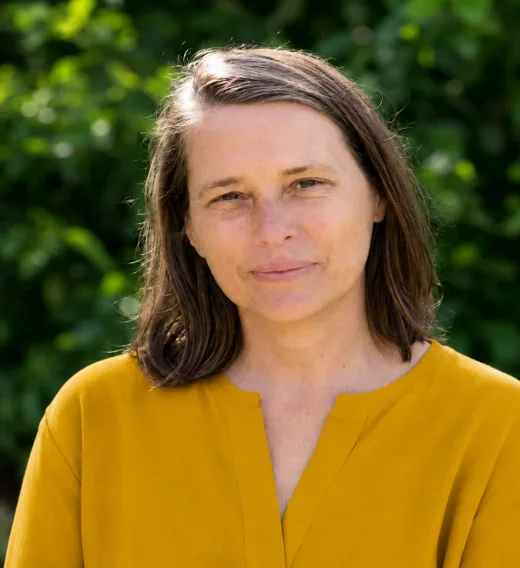
Faculty · Beginning and Intermediate, Cohort 1
Somatic Experiencing International faculty member and trauma practitioner, educator and movement specialist based in Auckland, New Zealand. Julie brings more than two decades of experience in touch therapy and somatic education.
Julie is a techniques-certified Craniosacral Therapist through the Upledger Institute, a certified Somatic Movement Educator through the School of Body-Mind Centering®, and a Dynamic Attachment Re-patterning Experience (DARe®) Practitioner. Alongside teaching Somatic Experiencing®, she maintains a private practice specializing in early birth trauma and childhood medical trauma. Her work integrates touch, movement and nervous-system regulation. She is passionate about supporting self-regulation, resilience and connection. Before joining the Somatic Experiencing International faculty, Julie worked for many years with people from refugee backgrounds in New Zealand. This experience shaped her understanding of resilience across language, culture and life experience. Julie will teach all Beginning and Intermediate modules for Cohort 1.
Faculty · Advanced level, Cohort 1
Clinical psychologist, professor and clinical supervisor for graduate studies at the Jungian Institute of Bahia in Brazil. Her work brings analytical psychology and Somatic Experiencing into dialogue.
Liana is developing a postgraduate course in Psychotraumatology and is a researcher at the Bahia Federal University of Medicine, where she is completing her doctorate. She has published scientific articles and book chapters on PTSD, and has presented workshops, short courses and research at national and international congresses, symposia and scientific meetings in psychiatry, psychosomatic medicine and Jungian Analytical Psychology. She has studied Kung Fu and Tai Chi Chuan for twenty years. Liana will lead the Advanced level training for Cohort 1.
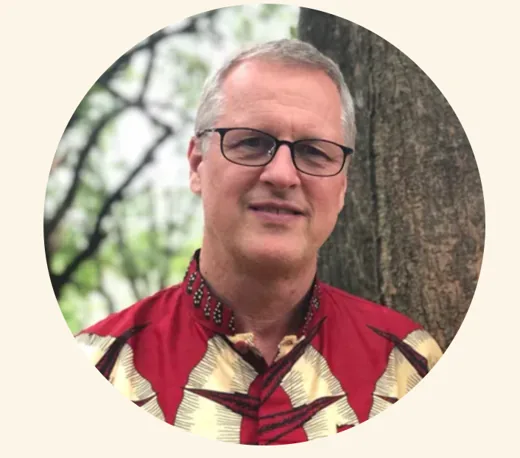
Lead assistant
Somatic Experiencing personal session provider and individual case consultation supervisor at the Beginning, Intermediate and Advanced training levels. Dennis has a special interest in intergenerational trauma.
Dennis lives and works in São Paulo, Brazil. His embodied therapeutic approach is also informed by Aikido. He studied Soil and Crop Science, Plant Physiology and Divinity, and has undertaken training in Biosynthesis, Integrated Somatic Psychology, touch work and Systemic Family Constellation Therapy. He integrates this learning with Somatic Experiencing in work related to generational trauma. Dennis has worked internationally in sixteen countries across Africa, Asia and the Americas.

Organizer
Nigerian clinical psychologist with more than 15 years of experience planning and implementing mental health and psychosocial support interventions across humanitarian and clinical settings.
Rita has spent more than a decade working in and with communities in North-East Nigeria, supporting community actors to deliver context-driven mental health and psychosocial support for people displaced or affected by armed conflict and violence. Her work focuses on adapting services to safeguard community well-being and dignity. She is the Founder and Lead Practitioner at IraCrest, a mental wellbeing promotion brand offering individual and group support for adults navigating major life shifts. Rita also serves as Organizer for Somatic Experiencing training in Nigeria.
KEEP LEARNING
The brochure names psychologists, psychotherapists, psychiatrists, counsellors, social workers, medical doctors, nurses, midwives, occupational and physical therapists, chiropractors, acupuncturists, massage and craniosacral therapists, yoga instructors, first responders, educators, mediators, religious and spiritual counsellors, and coaches. Each cohort may have specific entry requirements.
The brochure outlines three Beginning modules and three Intermediate modules of four days each, plus two six-day Advanced modules. It describes Beginning and Intermediate modules as virtual and Advanced modules as live. Confirm the delivery format and calendar for the current cohort.
The brochure describes lectures, live demonstrations, guided practice with other students, audio-visual case studies and suggested reading. It also notes personal SE sessions as part of the practitioner-development pathway. Confirm current requirements with the organizer.
No. An introductory workshop is different from a professional training pathway. Practitioner status has its own training and completion requirements.
LET'S CONNECT
Ask a question or express your interest in learning opportunities in Nigeria.
Please keep your enquiry general. Do not include medical records or sensitive personal information.